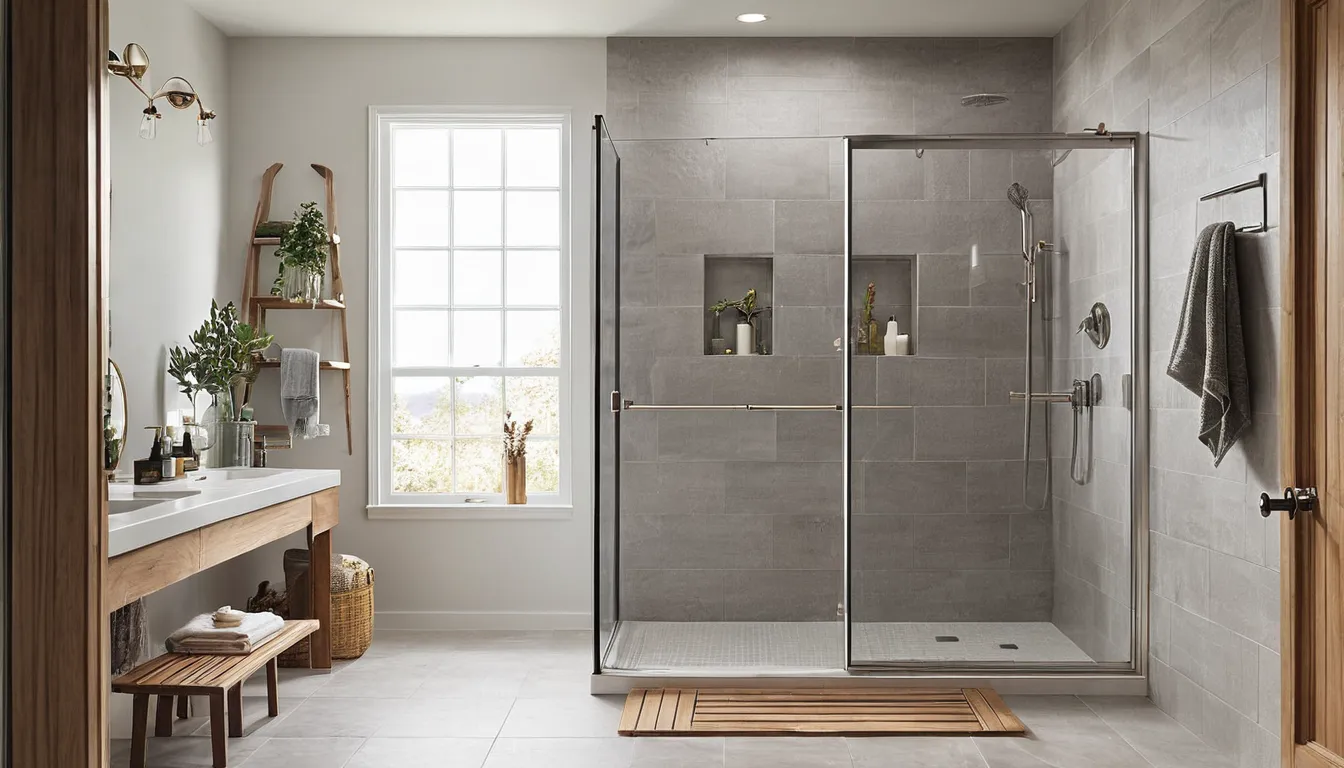
A tub-to-shower conversion removes the tub and puts a shower in the same space. The new entry is low, the floor is steady, and you no longer lift your leg over a high wall. For many homeowners it is the simplest safe bathing conversion there is.
Ambat Walk-In Tubs is a referral service. We do not do the work. We listen to what you need, then connect you with an independent provider in our network who serves the West Mifflin area. The provider visits, measures, and gives you a written quote. You compare, ask questions, and choose at your own pace. There is no pressure and no obligation.
Is the tub wall in your way?
If stepping over the tub edge makes you hold your breath, you are in good company. A tub-to-shower conversion takes out that tall wall and puts in a low, easy entry. It is a simple idea, and it often makes a big difference. Take your time. You do not have to decide today.
Plan before winter
Cold months make a tall tub edge riskier. Boots are damp, floors are slick, and joints feel stiff. Many homeowners in the West Mifflin area start the conversation in late summer or fall, so the bathroom is ready when the first hard frost shows up. Providers can get busy as the weather turns, so an early start gives you more choice.
Signs the tub has become a hurdle
- You grab the towel bar to climb in or out
- You have started skipping baths because they feel like too much
- Someone in the home has had a fall or a close call
- A doctor or therapist suggested a lower entry
- You plan to stay in your home for many years
Is a conversion right for you?
It is a good match if you mostly shower and rarely soak. It also works well in a small bathroom, where a tub takes up space you could use better. If you love a long soak, a walk-in tub may suit you more. Senior walk-in tubs keep the bath and add a door. A provider can talk through both choices with you, so you pick what fits your daily routine.
Your conversion options
Not every shower is built the same. Here are the main choices you will hear about.
Low-threshold shower base
This is a shower floor with a very short lip. It is the most common choice. Water stays in, and your step is small. It often costs less than a fully flat floor.
Curbless entry
A curbless shower has no lip at all. You can walk or roll straight in. These are popular as handicap accessible showers, since they work for walkers and many wheelchairs. They need more careful floor work.
Seat, bars and handheld spray
A fold-down or built-in seat lets you rest. Grab bars give you something firm to hold. A handheld spray lets you wash while seated. Most people add at least one of these.
What the work involves
The provider measures your bathroom first. Then the old tub comes out, and the plumbing is adjusted for the new shower. The walls are made watertight, the new base is set, and wall panels or tile go up. Last come the door or curtain rod, the fixtures, and a final check for leaks. Some jobs also include a tub replacement with a shower in the very same footprint, so the room layout stays familiar.
Older homes need a closer look
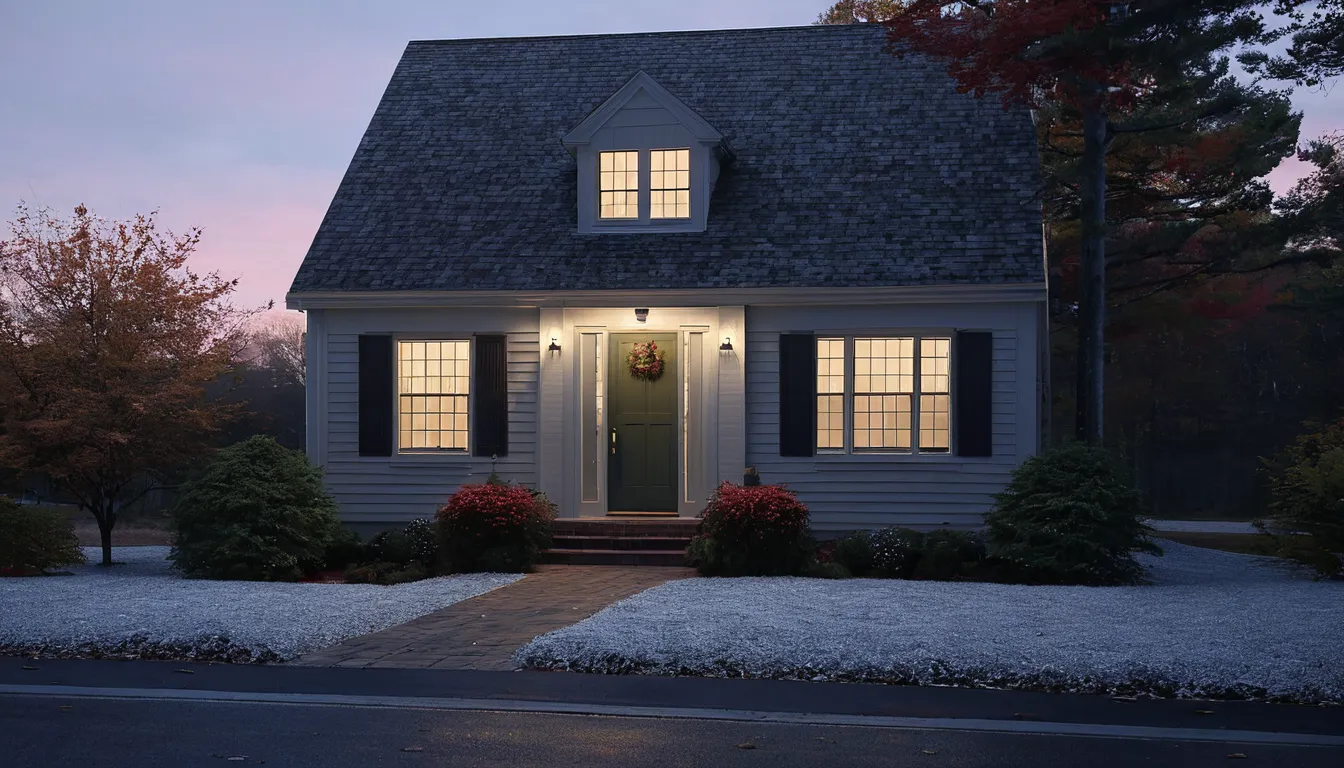
Older housing stock often has surprises. Floors may be framed differently than newer homes. Drain lines may be cast iron or run through a tight crawl space. In Cape-style homes the bathroom can be small, with sloped ceilings. Homes with stone or block foundations and full basements may have pipes that are hard to reach. A good provider looks at all of this before quoting, so the price on paper is closer to the real price.
How long does it take?
Many conversions take a few days to about a week. Tile work, a curbless floor, or repairs to the subfloor can add time. Ask the provider for a simple schedule in writing. Also ask where you can bathe while the work is going on.
Get an Estimate
Glass door, fixed panel or curtain?
A glass door looks clean and keeps the room warmer. A fixed glass panel gives a more open feel, and you walk around it, with no door to open. A curtain is the lightest on the budget and easy to swap out. If a caregiver helps you, an open entry or curtain can make that help easier. Think about who uses the shower, and how.
Weather and the work
Cold snaps and storms can slow deliveries. Wet spring weather can also raise damp in a basement bathroom. Ask the provider how they handle materials in cold weather, and whether the room will have heat while sealants and adhesives set. A short talk now can save you a long wait later.
Keep it working after the work is done
A new shower stays safe when you care for it. A few small habits go a long way.
- Wipe the glass and walls after use, so soap film does not build up
- Check the caulk lines every season, and ask a provider to redo any that crack or peel
- Keep the drain clear of hair
- Test each grab bar with a firm tug twice a year
- Run the bath fan during and after showers to move out damp air
- Use a non-slip mat or treated floor surface, and replace it when it wears
Make it easier for years ahead
Think past today. Ask the provider to add solid wood backing inside the walls, even where you do not want a bar yet. That way a grab bar can go in later without opening the wall. Choose a shower seat height you can still use if your needs change. Lever handles are easier on sore hands than round knobs. Small choices now keep the shower useful as the years go on.
Questions to ask the provider
- Can I see a written quote that lists materials and labor?
- How will you protect my floors and the rest of the house?
- What happens if you find rot or damage once the tub is out?
- Who handles permits, if my town needs one?
- What care does the new shower need, and what warranty comes from the maker or provider?
Ready when you are
Safe, then simple. Request a callback to check provider availability, or send a request and a provider in our network will follow up with you.
Get an Estimate
What's Included
Tub removal
The old tub is taken out and the space is cleared for the new shower.
Plumbing and drain changes
Pipes and the drain are adjusted so the new shower base sits level and drains well.
Waterproof walls and base
A watertight base and wall surround go in, so moisture stays out of the framing.
Door, seat and bars
Choose a door or curtain, then add a seat or grab bars if you wish.
What a conversion typically costs
Prices in the U.S. vary a lot by bathroom size, floor condition, and the finish you choose. These ranges are only typical figures. Ask each provider for a written quote that lists every item before you decide.
| Item | Typical range | Notes |
|---|
| Basic tub-to-shower swap | $3,500 – $8,000 | Standard base and wall panels |
| Tiled shower with low threshold | $6,000 – $14,000 | Tile and labor raise the price |
| Curbless entry | $8,000 – $20,000 | Often needs floor and drain work |
| Glass door or fixed panel | $500 – $2,500 | Curtains cost far less |
| Grab bars and fold-down seat | $150 – $900 | Wall backing adds a little |
| Repairs found after tub removal | $500 – $4,000 | Depends on rot, pipes, or subfloor |
Get an Estimate
How It Works
Tell us about it
Share your bathroom, your needs, and when you would like the work done.
Meet a local provider
A provider in our network contacts you to talk and set up a visit.
Review the written quote
Look over the plan, the materials, and the price. Ask anything you like.
Choose and schedule
If it feels right, you agree on a start date with the provider, ideally before the cold weather settles in.
Why Call Ambat Walk-In Tubs
A calmer way to start
Tell us what you need and we match you with a provider.
Independent local providers
Providers in our network are separate businesses that work in your area and do the actual work.
Written quotes
You compare clear estimates and ask questions before you agree to anything.
No pressure
Take the time you need. Requesting an estimate carries no obligation at all.
Other Services