How long does a walk-in tub installation take?
Most installs take one to two days. Jobs can run longer if floors or walls need repair, or if plumbing needs updating. Your provider will give you a realistic timeline in the written quote.
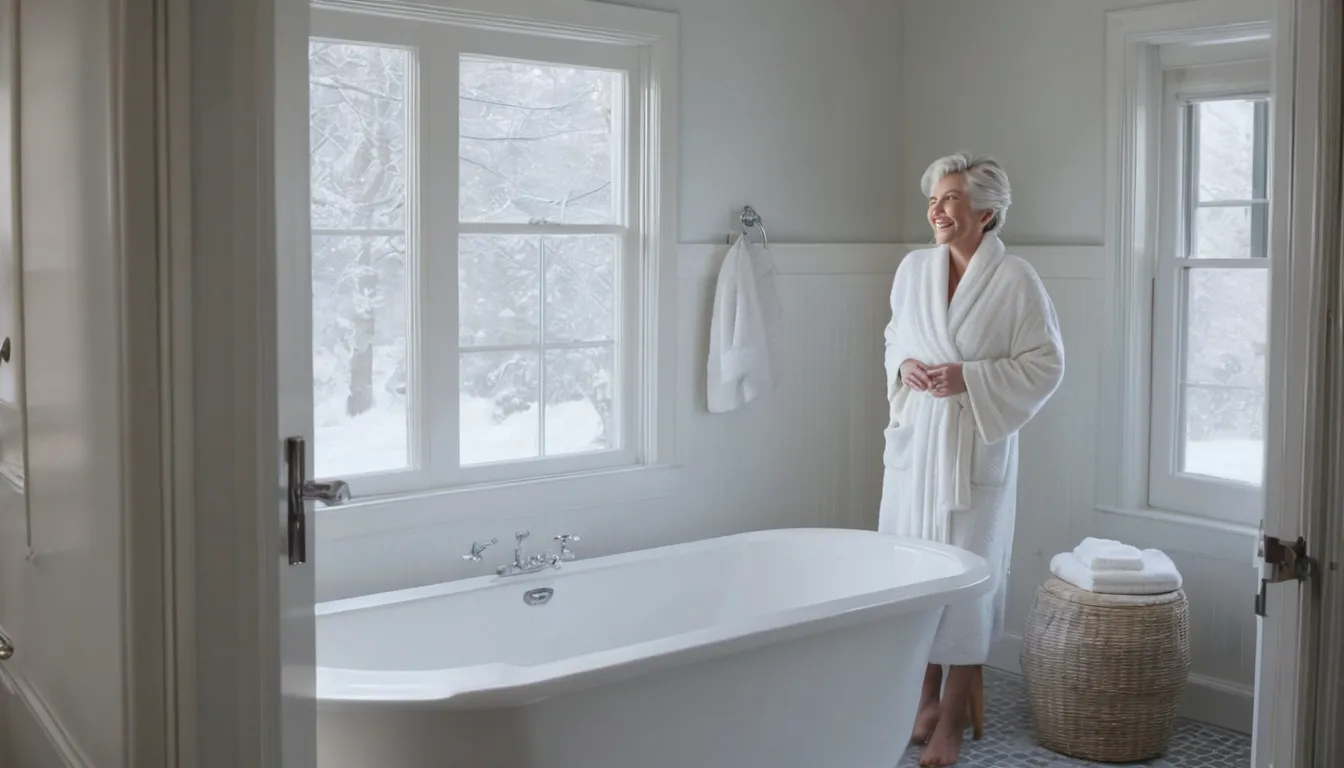
Request your walk-in tub estimate
A walk-in tub has a watertight door and a built-in seat. You step in at a low threshold, sit down, and the tub fills around you. Many people choose one after a slip, a hard winter, or a quiet worry about the next shower. It keeps the soak you enjoy and takes away the climb.
Ambat Walk-In Tubs is a referral service. We do not install tubs. You tell us what you need, and we connect you with an independent provider in our network who serves the West Mifflin area. The provider visits, measures, and gives you a written quote. There is no obligation to go ahead, and you can take the time you need.
It is a quiet worry. You swing a leg over the tub wall, and your balance wobbles. Maybe you now skip baths you used to love. Maybe you have started to dread them.
That feeling is worth listening to. A walk-in tub is made for exactly this. The wall is low at the door, so you step in instead of climbing in. Safe, then simple.
Cold months make everything harder. Bathrooms feel chillier, floors get slick, and stiff joints ache more. A warm, seated soak starts to sound very good.
It also helps to plan ahead. Providers book up as the first frost nears, and ordering a tub can take several weeks. If you plan before winter, the work can be done before snow makes deliveries and driveways tricky.
If you read this in the dead of winter, do not worry. Many providers work year-round. Plumbing and electrical work happens indoors, so the weather matters less than you might think.
A walk-in tub often fits people who:
Senior walk-in tubs are popular, but they are not only for seniors. Anyone recovering from surgery or an injury may find one useful too.
A tub may not be right for everyone. If you cannot sit up on your own, or you use a wheelchair for transfers, a different setup might work better. A provider can talk it through with you.
Tubs come with many options. These are the ones people ask about most:
You do not need every extra. Pick the ones that make bathing easier for you.
A soaker tub is the simple choice. It fills with warm water and that is all. There are fewer parts, so there is less to maintain.
A jetted tub adds water jets that can ease tired muscles. Some models add air bubbles for a gentler feel. These cost more and need regular cleaning of the jet lines.
A combination model offers both. You can soak on quiet days and use the jets when your joints complain. If you are unsure, ask the provider to explain how each one feels and what upkeep it needs.
This one catches people off guard. Walk-in tubs are deep, and you sit in the water while the tub fills and drains. A small water heater can run out of hot water halfway through.
Ask the provider to look at your heater. A larger tank, or a more efficient model, may be worth considering. In a cold climate, the incoming water is chillier, so the heater works harder. A quick check now saves a lukewarm surprise later.
Many homes in snowy regions are older. You may have a Cape Cod style house with a small bathroom, a basement that holds the pipes, or a multi-family building with shared walls.
These details matter. A provider will measure the space, check the door width, and look at the floor. Older plumbing may need some updates. A basement under the bathroom often makes pipe access easier, and a provider can tell you what to expect.
The process is usually calm and orderly. A provider removes your old tub, checks the plumbing, and sets the new tub in place. The drain, the faucet, and any electrical parts for jets or heaters get connected.
Then the provider tests for leaks, checks the door seal, and shows you how everything works. Most installs take a day or two. Some jobs take longer if walls or floors need repair.
During the work, the bathroom will be out of use. Plan for a backup, like a sponge bath routine or a neighbor's shower, for those days.
A good provider welcomes questions. You might ask:
Some policies may cover sudden damage, so check your own policy. Providers can often help document damage for a claim, but a walk-in tub for comfort is usually a personal cost.
There is one habit to learn. You get in and sit down before the tub fills, and you wait for the water to drain before you open the door. That takes a few minutes. Keep a warm towel or robe close, and a heated seat helps if you have one.
Many people find they bathe more often once it feels safe. That is a good sign. It means the tub is doing its job.
Fixing the problem is only half the story. A little care keeps the tub dependable.
If you spot a drip or a noise, have a provider look at it early. Small fixes cost less than big ones.
This is the most important step. The person who will use the tub should sit in one if possible. Ask them to check the seat height, the door swing, and how it feels to stand up.
A tub that looks great on paper can still be wrong for the body that uses it. One step lower is the goal, and comfort comes with it. Take your time, and ask for what feels right.
The provider takes out your old tub and checks the floor, walls, and plumbing before anything new goes in.
A watertight door is fitted and tested so you can step in safely.
Drain, faucet, and any jet or heater wiring get connected by qualified local providers.
The provider checks for leaks, then shows you how the controls, seat, and drain all work.
Prices vary by tub type, bathroom size, and plumbing needs. These are typical U.S. ranges only. Ask each provider for a written quote that lists every part of the job before you decide.
| Item | Typical range | Notes |
|---|---|---|
| Soaker walk-in tub | $3,000 – $8,000 | Simple model with fewer parts |
| Jetted or combination tub | $5,000 – $15,000 | Extra jets raise the price |
| Removal of old tub | $300 – $1,000 | Depends on access and wall condition |
| Plumbing updates | $500 – $3,000 | Older homes may need more work |
| Electrical for jets or heater | $300 – $1,500 | Needed for powered features |
| Larger water heater | $1,000 – $3,500 | Only if yours runs short |
Share what feels hard about bathing now and when you would like the work finished.
We connect you with a provider in our network who serves your area.
The provider measures your bathroom and gives you clear pricing to consider.
Choose a date that works, ideally before winter, and plan for a few days without the tub.
You explain what you need, and we connect you with a local provider who can talk it through.
Asking for an estimate carries no obligation. You decide when you are ready.
Providers in our network know the older homes and cold weather common across your area.
Ambat Walk-In Tubs is a referral service. Independent providers do the actual work.

Tell us about your bathroom and what feels hard right now. Ambat Walk-In Tubs will pass your request to a local provider in our network. Reach us at contact@ambat.garden.
No obligationMost installs take one to two days. Jobs can run longer if floors or walls need repair, or if plumbing needs updating. Your provider will give you a realistic timeline in the written quote.
Maybe not. These tubs are deep, and you sit in them while they fill and drain. Ask the provider to check your heater, since a larger tank may help.
Coverage varies a lot. Some policies may cover sudden damage, but a comfort upgrade is often not included. Check your policy and ask the provider what paperwork they can help with.
Tell us about your bathroom and what feels hard right now. Ambat Walk-In Tubs will pass your request to a local provider in our network. Reach us at contact@ambat.garden.
No obligation