How much does a walk-in shower cost?
Typical U.S. prices run from a few thousand dollars for a simple prefab unit to well over ten thousand for tiled or curbless designs. Costs vary by job, so ask for a written quote.
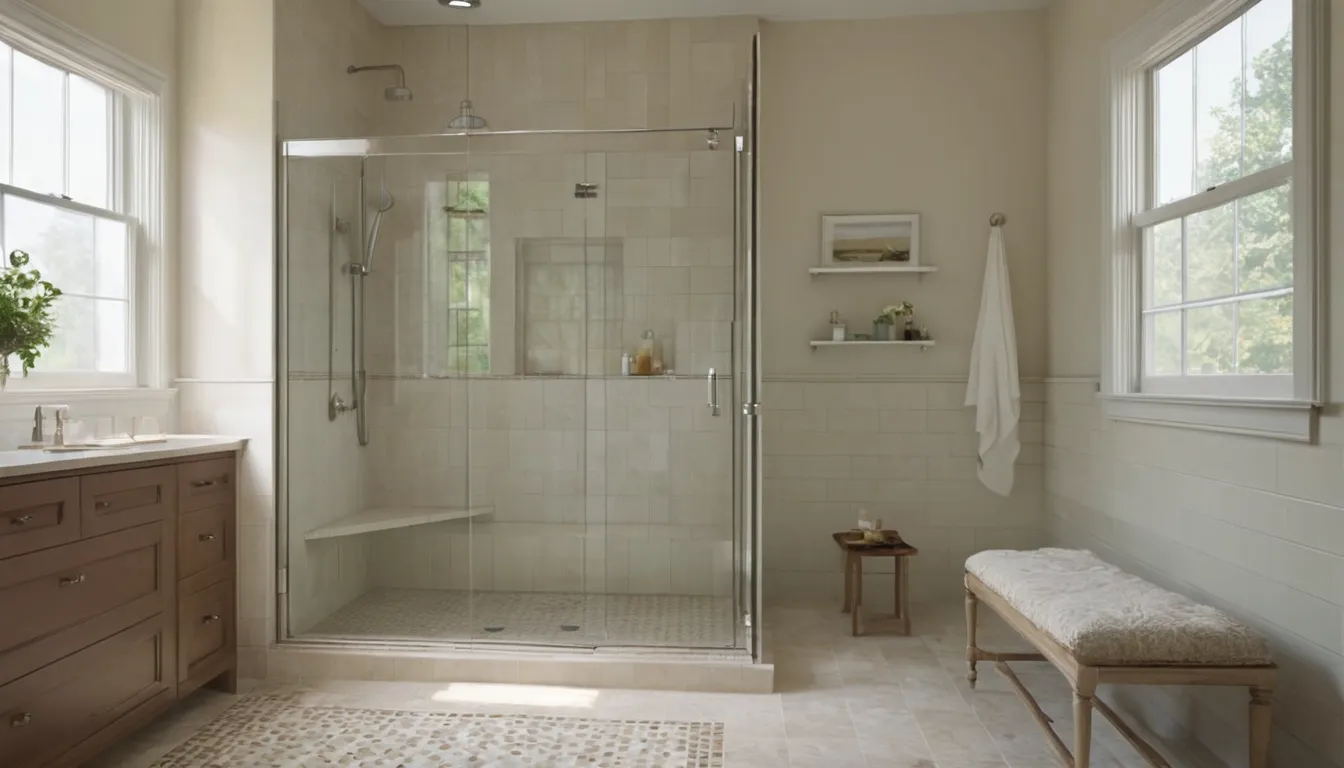
Request an estimate for your shower
If climbing over a tub wall has started to worry you, a walk-in shower may be the calm answer. There is no tall edge to lift your leg over. You step in, sit or stand, and wash at your own pace.
Ambat Walk-In Tubs is a referral service. We do not do the work ourselves. You tell us what you have in mind, and we connect you with an independent provider in our network who serves the West Mifflin area. The provider visits, measures, explains the options, and gives you a written quote. You decide what happens next, and there is no obligation to move forward. Take your time and ask as many questions as you like.
Most people look into a walk-in shower after a slip, a scare, or a few tired mornings. Maybe the tub wall is too tall. Maybe balance is not what it was. Maybe you are planning ahead for a parent who is moving in.
Whatever brought you here, you are not alone. This is a very common change, and it is a good one. A well-planned shower can make bathing feel ordinary again.
In our part of the country, winter is long. Cold floors, damp air, and slick bathroom tile all raise the risk of a fall. Many homeowners decide to act when the first frost shows up.
That is why the old advice holds: plan before winter. Providers often get busy in the fall, and materials can take time to arrive. If you start in late summer or early fall, you have room to choose calmly. If you start in winter, work is still possible. You may just wait a little longer for a slot.
Spring is another good window. Snowmelt can fill a basement with damp air, and that is worth sorting out first. A provider can tell you if moisture or old plumbing should be handled before the shower goes in.
These two words come up a lot, so here is the plain version.
A low-threshold shower has a short lip, often an inch or two. It keeps water inside and costs less to build. Many people step over it with no trouble.
A curbless shower has no lip at all. The floor slopes gently toward a drain. It is the better fit if you use a walker or a wheelchair. It can also take more work, because the floor may need to be adjusted.
In older homes with stone or block foundations, or with a full basement below, the floor can be tricky. A provider will check what is under the bathroom before suggesting a curbless design.
A shower is more than four walls. Small details change how safe it feels. Here are some worth asking about:
This is the heart of handicap accessible showers. You do not need every feature. Pick the ones that match how you move today and how you may move in a few years.
Prefab panels and one-piece units go in faster and have few seams. They are simple to wipe down. They tend to cost less, too.
Tile gives you more choice in color and pattern. It takes longer to build, and grout needs care over time. Some people love the look and happily do the upkeep. Others prefer something easier.
There is no wrong answer. Think about who will clean the shower and how much time they want to spend on it.
The right-fitting shower starts with the person who will use it. Ask yourself a few easy questions.
If you are exploring senior walk-in tubs as well, that is fine. Some homes suit a shower better, and some suit a tub. Your provider can talk through both paths with you. This page stays with showers, and a safe bathing conversion can take either form.
The steps are simple to follow. A provider visits and measures the space. You choose the style and features. The old fixtures come out, the plumbing is adjusted, and the new base and walls go in. Then the provider seals the seams, sets the fixtures, and tests the water.
If you are replacing a tub, you may hear the phrase tub replacement. That usually means taking out the tub and building a shower in the same spot. It is a common project, and providers know it well.
Many prefab installs take a few days. Tiled showers or curbless floors can take longer, since materials need time to set and cure. Cold weather can slow some steps, so ask the provider for a realistic window.
Plan on the bathroom being out of use for that time. If it is your only bathroom, ask about a backup plan before work begins.
Availability changes from one provider to the next. Some have openings soon, and others book out. Request a callback to check provider availability. Talking it through can help you pick a sensible timeline without feeling rushed.
A new shower should stay new for a long time. A few easy habits do most of the work.
Winter air is dry, but bathrooms still get damp. A fan or a cracked window helps moisture leave. That keeps mold from settling in corners.
Good providers like questions. Bring a short list to the visit.
Write the answers down. Compare quotes side by side. Take your time, because this is your home and your decision.
You do not have to figure it all out today. Share a few details, and Ambat Walk-In Tubs will connect you with a local provider in our network. One step lower can make every day easier.
The provider measures your bathroom and suggests a layout that fits your space, your balance, and the way you move.
Choose a low-threshold or curbless entry that suits your needs.
Benches, grab bars, and handheld sprays can be added where they help you most, and set at the right height.
Seams are sealed, fixtures are set, and the water is tested so you can see the shower works before the job ends.
Prices depend on the size of the room, the style of entry, and what is found behind the old walls. These are typical U.S. ranges only. Always ask the provider for a written quote that lists every item.
| Item | Typical range | Notes |
|---|---|---|
| Prefab low-threshold shower | $3,000 – $8,000 | Faster install, fewer seams |
| Tiled walk-in shower | $6,000 – $15,000 | More choices, longer build |
| Curbless shower | $8,000 – $20,000 | Floor work can add cost |
| Bench and grab bars | $200 – $1,500 | Depends on materials and number |
| Plumbing changes | $500 – $3,000 | Older pipes may need updates |
| Removing old tub | $300 – $1,200 | Varies with access and disposal |
Share a few details about your bathroom, who will use the shower, and when you would like to start.
Ambat Walk-In Tubs connects you with a local provider in our network.
The provider visits, measures, and explains the options and costs in writing.
Pick a time that suits your home and the season, then follow the care tips afterward.
We explain your options in simple words, so you can decide at your own pace without any pressure.
You are matched with a provider in our network who knows homes and weather in your area.
Share your needs and request an estimate. You choose whether to move forward.
Ambat Walk-In Tubs connects you. The provider does the work and gives you the quote.
Tell us about your bathroom and what feels hard right now. Ambat Walk-In Tubs will pass your request to a local provider in our network. Reach us at contact@ambat.garden.
No obligationTypical U.S. prices run from a few thousand dollars for a simple prefab unit to well over ten thousand for tiled or curbless designs. Costs vary by job, so ask for a written quote.
For many people, yes. There is no tall wall to step over. Features like a bench, grab bars, and a non-slip floor add more support.
Often it can. Providers regularly remove a tub and build a shower in the same space. They will check the plumbing and floor first.
Tell us about your bathroom and what feels hard right now. Ambat Walk-In Tubs will pass your request to a local provider in our network. Reach us at contact@ambat.garden.
No obligation